SCL logo

Shape Computation Lab

ARCH 6508 | CS 6492 | ID 6508: Shape Grammars
Shape Grammars

ARCH 6508 | CS 6492 | ID 6508 Shape Grammars (3 credits)
ARCH 4803 | CS 4803 | Undergraduate offering

Instructor: Economou
School of Architecture
College of Design
Georgia Institute of Technology

Fall/Spring Semester

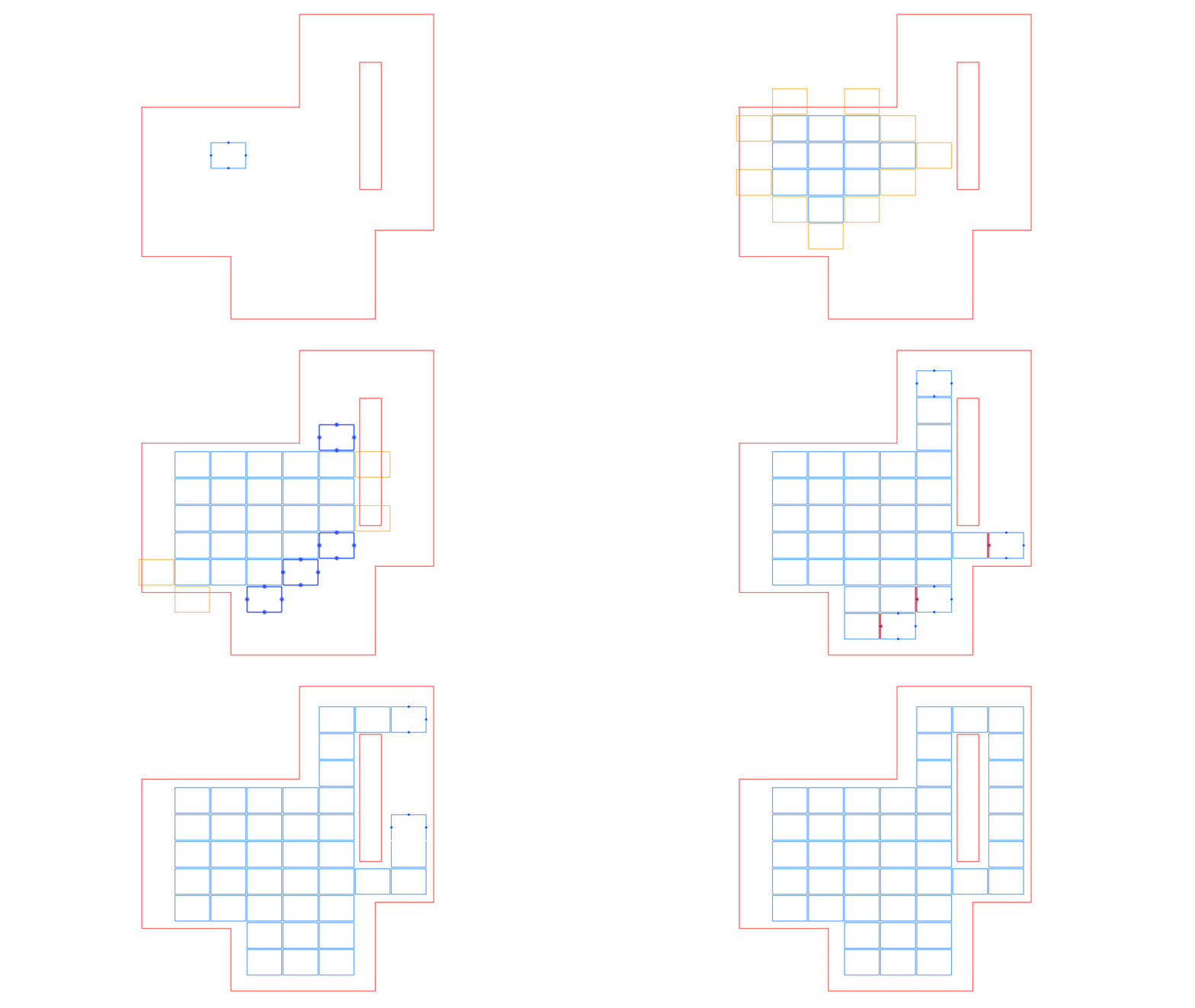
Shape grammars are shape rewriting production systems used for the generative description of designs. Their unique difference with all other generative systems is that they perform entirely visual computations – shape rules are declared by drawing pairs of shapes and not by writing scripts or programming commands. Shape grammars are intended to form a basis for purely visual computation, and in this sense, they belong in the heart of design education and practice.

The course discusses the foundations of shape grammar formalism, provides a constructive understanding of the formalism through hands-on workshops, and offers a generous overview of the history and logic of several of its applications in design research. The class relies extensively on Shape Machine, a new computational technology that successfully manages to put the formalism in practice and bring shape-based search (⌘-F) and shape-based replace (⌘-R) capabilities to the CAD/CAM world for the first time. The technology developed in the Shape Computation Lab of Georgia Tech’s College of Design, offers unprecedented possibilities in design cognition and modeling, and suggests links between design, art, engineering, mathematics, psychology, neuroscience, and more, not previously explored.

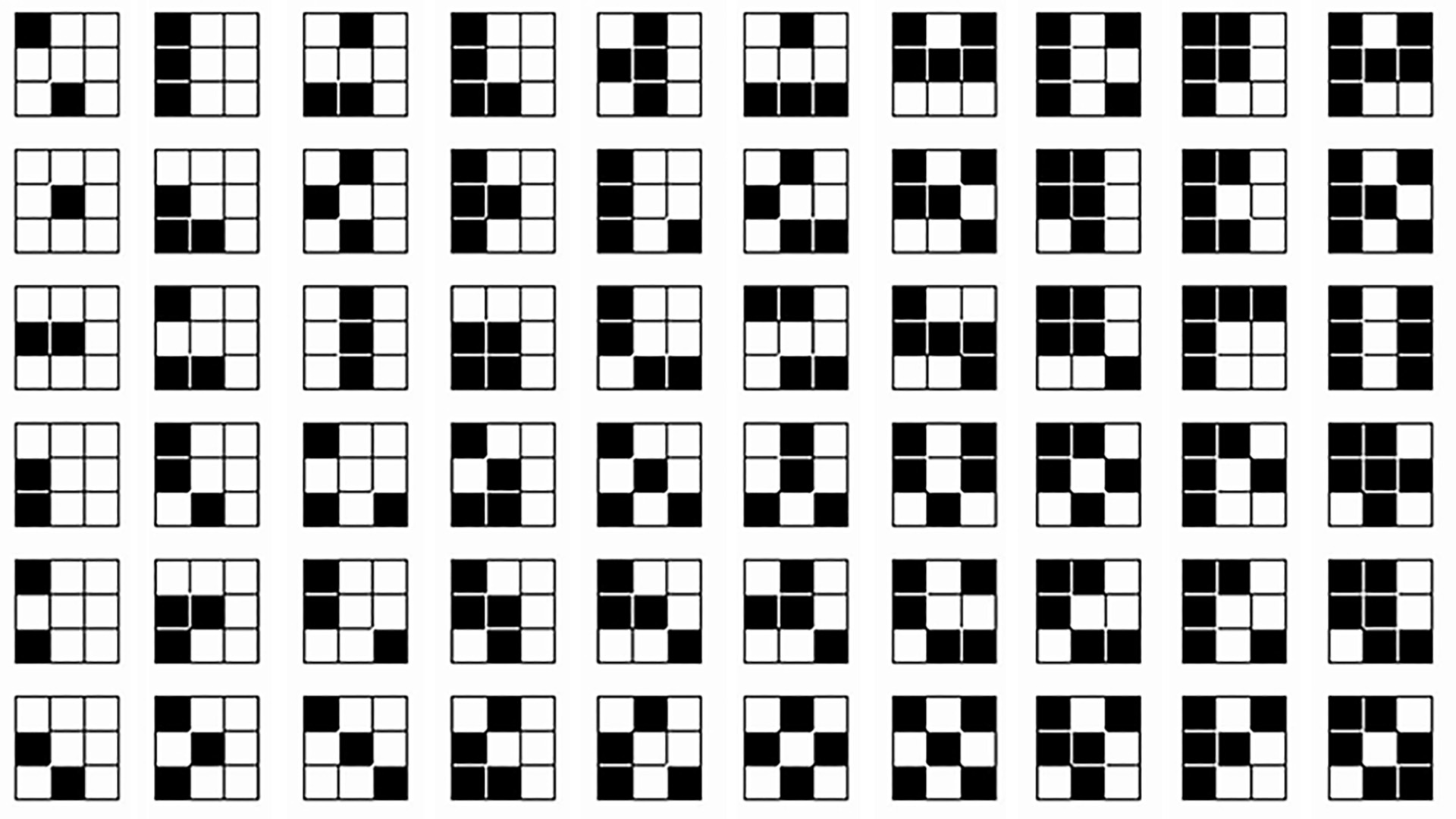
Topics covered in the class include: algebras of shapes; spatial relations and shape rules; transformations and shape rules; determinacy and indeterminacy of rule applications; shape rules and rule schemata; shape grammar interpreters; and a host of applications in architectural, industrial and mechanical design as well as visual and decorative arts.

Students are expected to attend the lectures, participate in the discussions, read the weekly readings and reading responses @15 points, do three studies (each @ 15 points) and complete a final project (@40 points).
ARCH 6210: Architectonics

Architectonics

ARCH 4508 / 6210

Instructor: Economou
School of Architecture
College of Design
Georgia Institute of Technology

Fall/Spring Semester

The subject of architectural design and mathematics is one of the most pervading and perplexing topics in architecture discourse. This series of lectures looks at various ways mathematics has been used historically to describe, interpret and evaluate spatial composition and design.

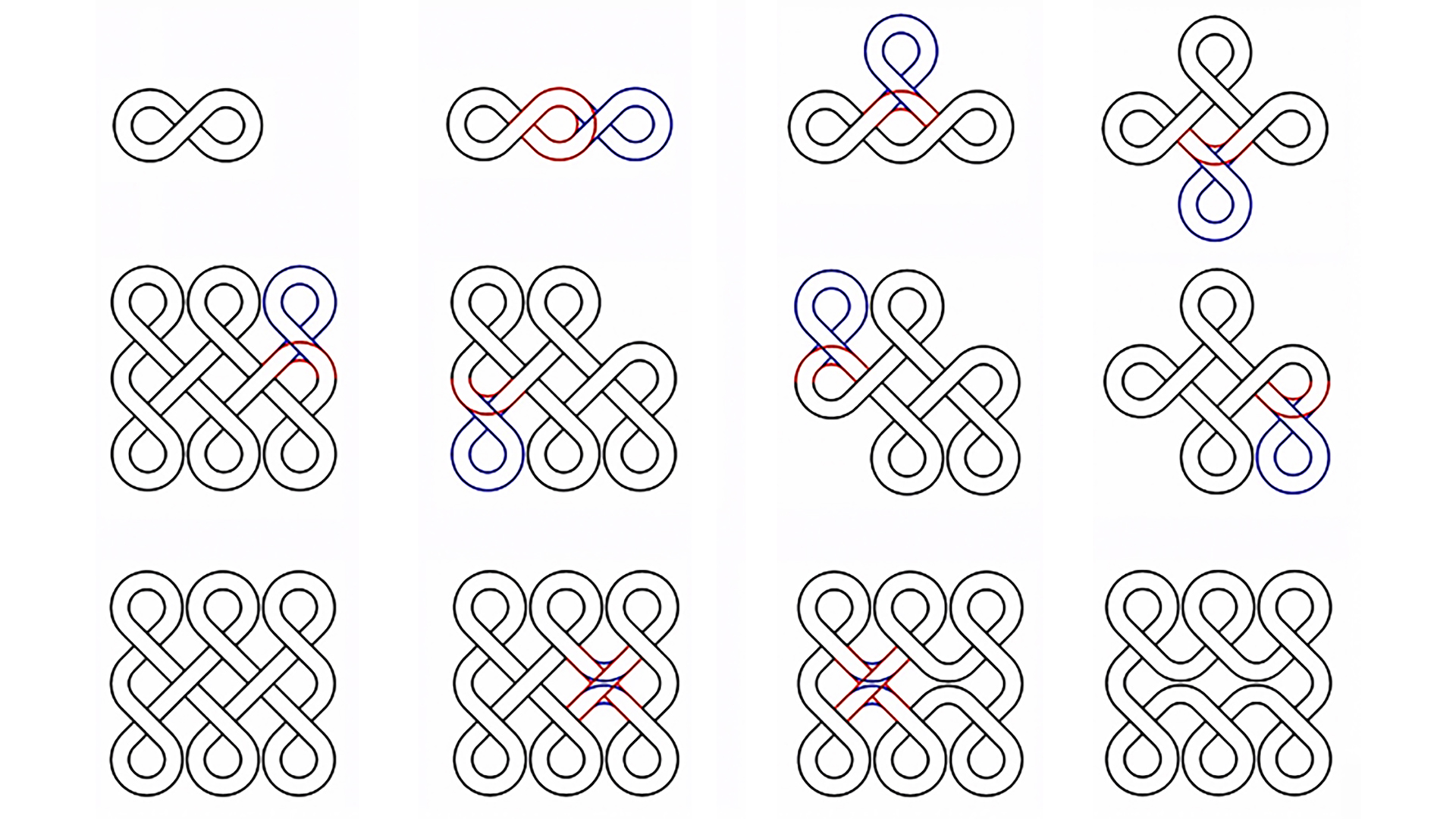
The class is divided in three parts: The first part lays the foundations for the course with the reworking of the earliest account of design and mathematics in architectural discourse in Vitruvius’ De Architectura. The three well-known, and still useful, prerequisites of architectural form, firmness, commodity and delight, are juxtaposed with the six principles of architectural design to provide a theoretical framework for the inquiry of formal composition. The second part focuses on symmetry and proportion, the most important elements of Vitruvius’ theory of design, and traces their intellectual trajectories within the body of architecture discourse starting from Greek architecture to Alberti and to contemporary designs. The third part expands upon the relation of new mathematics to contemporary discourse and especially in recursive formalisms for generative design. The mathematical discourse is drawn from selected topics in discrete mathematics and history of mathematics including Pythagorean arithmetic, proportionality, figurative numbers, group theory, Polya’s enumeration theorem, and production systems, in particular, shape grammars.

This series of lectures take their name Architectonics to relate both to contemporary architectural discourse on the mathematical study of design pursued by the Cambridge school from the 60’s onwards (see for example, March, 1974, 1998) and further back to Architectonicks, a term introduced in the seventeenth century by the Cambridge Platonist, Henry More, as a category distinct from Letters and Musick with the sense of the science of architecture.

ARCH 6501: Digital / Analog Computation

DigitalAnalog Computation

ARCH 6501

Instructor: Economou
School of Architecture
College of Design
Georgia Institute of Technology

Fall/Spring Semester

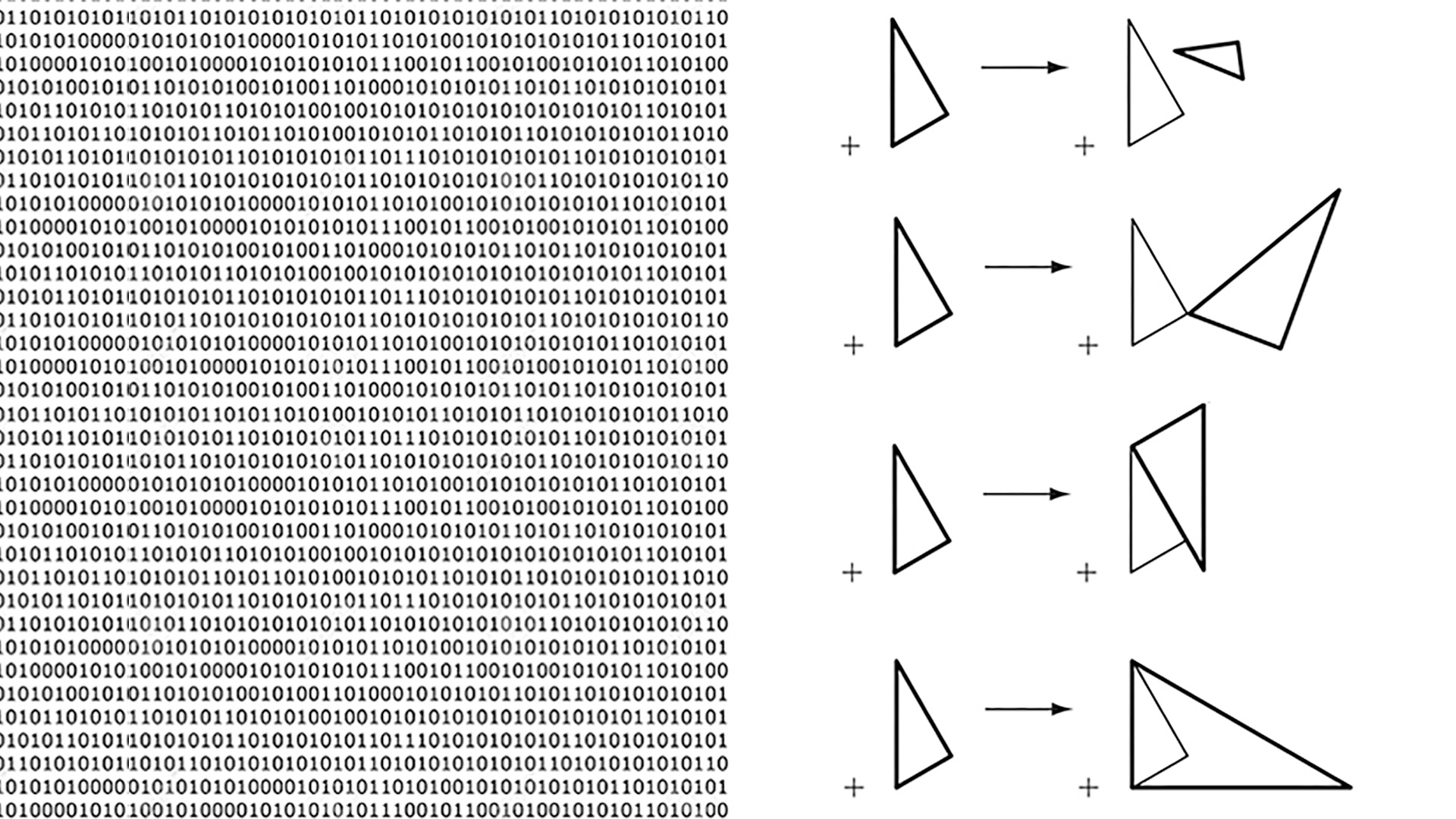
Representational systems in architectural design are broadly conceived in terms of visual and symbolic notational systems. Their affinities and differences to autographic and allographic representational systems and to digital and analog systems of representation respectively is traced through a series of readings that take on akin ideas in other fields including art, philosophy, history and philosophy of science, linguistics and psychology, literature and literary studies, logic and mathematics, and artificial intelligence.

Students are expected to read the weekly readings, participate in the weekly discussions, write a brief synopsis of papers read, produce a design study to illustrate ideas discussed in the class, and prepare a final project in the form of design study, a paper or a slide presentation

The course is open to M.Arch, MS.Arch and PhD students with an interest in formal (spatial / mathematical) analysis and composition. Undergraduate students can take the class with a special permit.

ARCH 7030 | CS 8803: Shape Machine Applications

Shape Machine Applications

ARCH 7030 | ID 8803 | CS 8803 | Shape Machine Applications (3 credits)
ARCH 4833 | CS 4803 Undergraduate offering
Instructor: Economou
School of Architecture
College of Design
Georgia Institute of Technology

Fall/Spring Semester

A project-based course using the Shape Machine, a new shape-rewrite modeling technology developed at the Shape Computation Lab at the College of Design at Georgia Tech. Shape Machine is a new computational technology that brings shape-based search (⌘F) and shape-based replacements (⌘R) capabilities to Vector Graphics and Computer-Aided Design / Manufacturing (CAD/CAM) world for the first time.  The software implementation of shape computations using shape queries (⌘F) and shape replacements (⌘R) promises an entirely new approach for the automation of visual recognition of shape and making, strongly suggesting new links between art, design, mathematics, psychology, neuroscience and more. Projects pursued in the class range from technical papers to applied products or services translating the visual technology into practice using the GT Create-X methodology of evidence-based entrepreneurship.

The class consists of three modules: The first module, DrawScript, provides a straightforward introduction to the modeling abilities of Shape Machine in Rhino and explores its similarities and differences with the current state of the art of parametric and generative systems in design and akin fields including architecture, engineering and the arts. The second module, Speculations, focuses on the exploration of applications of this technology in various domains through structured exercises in the class and student-led presentations of emergent semester-long research projects. The third module, Edifice, builds on the lessons learned and the technology developed during the first two modules and focuses on the refinement and execution of a semester-long project.

Students are expected to attend the lectures and presentations, participate in the discussions, complete six weekly studies in Shape Machine (50 pts), and a semester-long project (50 pts).

Students who successfully complete the course will be able to:

Try the visual scripting language of Shape Machine to enable radically different design workflows

Use the visual scripting language of Shape Machine to produce insightful design variations

Solve basic programming problems using DrawScript – the vector-based shape programming environment of Shape Machine